What are the minimum investment requirements for Georgia's residence permit?
Georgia's investment residence permit typically requires a property purchase of at least $100,000 in designated areas, though specific thresholds can vary based on location and program updates. Alori ensures all recommended properties meet current governmental requirements while prioritizing investments in the $150,000-$600,000 range where fundamentals support both residency eligibility and stronger long-term appreciation. We verify compliance requirements with Georgian legal professionals before presenting any opportunity, reducing regulatory risk throughout the application process.
How long does the Georgia residence permit application process take?
The Georgian residence permit application typically processes within 3-6 months after property acquisition is complete and all documentation is submitted. Timeline factors include property registration speed, legal verification requirements, and governmental processing volumes. Alori coordinates with in-country legal teams to expedite documentation preparation, ensuring applications are complete and compliant from initial submission. We provide timeline expectations tailored to your specific property and circumstances, managing the process from purchase agreement through residency approval to minimize delays and administrative complications.
Can the Georgia residence permit lead to citizenship?
Georgia's residence permit can serve as a pathway toward citizenship eligibility after maintaining continuous legal residence for five years, subject to additional requirements including language proficiency and demonstrated ties to the country. While residency through property investment establishes the foundation, citizenship applications involve separate criteria beyond investment alone. Alori structures initial property investments with long-term flexibility, ensuring your real estate holdings support evolving goals whether you pursue citizenship, maintain residency status, or eventually exit. We provide strategic guidance on maximizing your investment's utility across different residency and citizenship scenarios.
What are the tax implications of Georgian residency through property investment?
Georgia offers favorable tax treatment including no tax on worldwide income for non-residents and a territorial tax system for residents, taxing only Georgian-sourced income. Property ownership carries annual property taxes typically ranging 0.05%-1% of assessed value depending on location and use. Rental income from Georgian properties is subject to local taxation, though rates remain competitive regionally. Alori provides detailed tax analysis specific to your situation, coordinating with international tax advisors to structure investments that optimize compliance across jurisdictions. We factor tax efficiency into all deal structuring and rental strategy recommendations.
Which Georgian cities offer the best investment opportunities for residence permits?
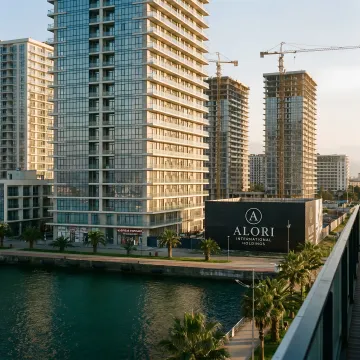
Batumi and Tbilisi represent Georgia's strongest investment markets for residence permit purposes. Batumi's coastal corridor shows active construction, growing tourism infrastructure, and 6-10% rental yields from seasonal and long-term demand. Tbilisi offers urban growth potential, expanding expatriate communities, and diverse rental markets serving both locals and internationals. Alori focuses exclusively on these high-conviction markets where structural demand, development activity, and capital flows support both residency compliance and sustainable returns. We avoid speculative secondary markets, concentrating expertise where data justifies long-term capital deployment and residency investment simultaneously.
What happens if I need to sell my Georgian property before residency is established?
Selling property before residency approval typically invalidates the residence permit application, as continuous ownership through the approval process is generally required. Alori structures all investments with this constraint in mind, selecting properties with strong fundamentals that support holding periods extending beyond initial residency approval. We conduct thorough due diligence on legal structures, rental potential, and market stability to minimize circumstances that might force premature sales. If selling becomes necessary post-approval, Georgian regulations typically require maintaining residency through alternative qualifying investments or meeting revised criteria—scenarios we plan for during initial structuring.
How does Alori verify the legal compliance of Georgian properties?
Every Georgian property recommendation undergoes multi-layer legal verification including title searches, ownership chain reviews, permit compliance checks, and regulatory standing assessments conducted by in-country legal professionals. We examine developer credentials, construction permits, zoning compliance, and any encumbrances before presenting opportunities. Alori maintains relationships with established Georgian law firms specializing in foreign investment transactions, ensuring independent verification beyond developer representations. This process identifies and resolves legal issues before purchase agreements, protecting your investment and residency application from documentation deficiencies or compliance gaps that could delay or invalidate approval.
What rental yields can I expect from Georgian residence permit properties?
Georgian properties in our curated portfolio typically deliver 6-10% annual rental yields, varying by location, property type, and management approach. Batumi coastal properties often achieve higher seasonal yields during summer tourism periods, while Tbilisi urban apartments provide steadier year-round returns from long-term tenants. Alori's yield projections are grounded in actual market data, comparable property performance, and realistic occupancy assumptions—not aspirational claims. We provide detailed rental strategy recommendations including furnishing standards, management coordination, and marketing approaches that maximize returns while maintaining property condition and compliance with residency permit ownership requirements throughout your holding period.